Solar generators have become a popular choice for powering devices in a sustainable manner. Understanding the various ports available on modern solar generators is crucial for harnessing their full potential. These ports determine how you connect, charge, and power your devices, which ultimately impacts the versatility and utility of the generator. From AC outlets to USB connections, knowing which ports are vital can significantly enhance your solar power experience. This guide dives into the essentials—AC, USB, DC ports, car adapter ports, and even advanced options like USB-C and wireless charging—to help you maximize your solar generator’s capabilities. By the end, you’ll know exactly which ports to look for and why they’re important.
Core Output Ports for Everyday Devices
Understanding the core output ports of a solar generator will enable you to choose one that suits your specific power requirements. These are the hardworking outlets responsible for energizing devices daily.
AC Outlets
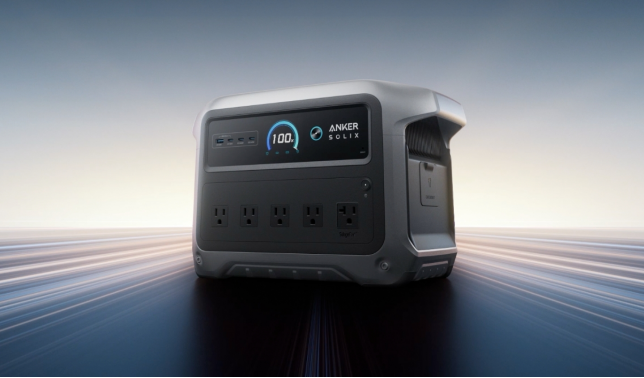
AC outlets are indispensable to solar generators. They mimic standard household outlets, making it easy to plug in everyday appliances like laptops, fans, and small kitchen devices. When choosing a portable solar generator, check for its AC output capacity; this determines the power it can distribute at any time. The Anker SOLIX C1000 Gen 2 offers an impressive 2,000W output with a 3,000W peak. This ensures that you can run multiple devices simultaneously without a hitch. Always verify the wattage of your devices before plugging them in. This ensures they are compatible and won’t overload the generator. AC outlets are essential for flexibility and reliability.
USB Ports
USB ports are the go-to option for charging smaller, handheld devices. These ports rid you of bulky adapters, allowing direct USB connections for smartphones, tablets, and cameras. The Anker SOLIX C1000 Gen 2, for example, lets you plug in multiple USB devices thanks to its versatile port array. When evaluating solar generators, consider the number of USB ports and their output amperage. Higher amperage translates to faster charging times. Some advanced models even feature QC (Quick Charge) technology, optimizing and accelerating the charging process for compatible devices. USB ports are an efficient way to keep your gadgets powered up without hassle.
12V DC and Car Adapter Ports
For those frequently on the move, 12V DC and car adapter ports offer immense convenience. These ports make it possible to run car-based devices like mini fridges, air compressors, or car vacuums. They also serve as a reliable source when your adventures take you away from traditional power sources. Many solar generators, including robust models like the Anker SOLIX C1000 Gen 2, incorporate these ports for expanded usability. When selecting a solar generator, ensure the car adapter port aligns with the power demands of your specific devices. This assures efficiency and reliability.
Solar Input and Charging Ports
Charging your solar generator efficiently is as crucial as powering your devices. Solar input and charging ports enable the generator to recharge effectively, refueling it for your next adventure.
Solar Panel Input Ports
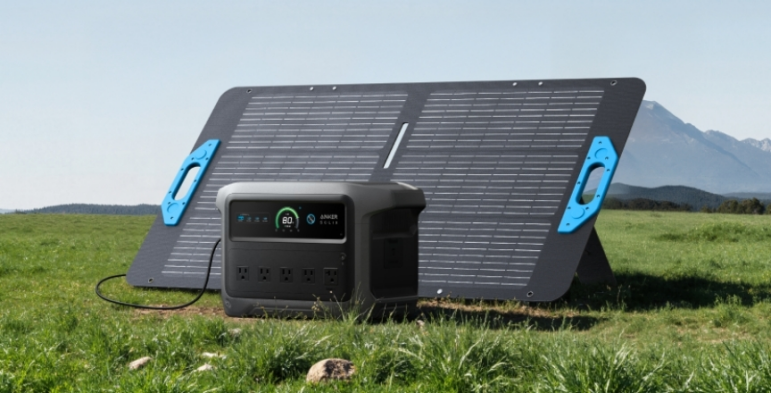
Solar panel input ports are the lifeline for replenishing a solar generator’s battery. They allow you to connect compatible solar panels to harness the sun’s energy. The Anker SOLIX C1000 Gen 2 provides suitable connections, enabling rapid solar recharging. When choosing a solar generator, ensure the compatibility of the solar panel input with your existing solar panels. Different connectors can affect the ease and speed of charging. Also, consider the wattage the generator can accept; higher wattage allows quicker recharging. Efficient solar panel inputs mean you can always have a way to recharge your generator responsibly.
MC4, XT, and Anderson Connections
These connections—MC4, XT, and Anderson—are critical for establishing a stable link between the solar panels and the generator. Each has its unique advantages, but all serve the goal of reliable charging. MC4 connectors are common and user-friendly, making them a popular choice for many generator models. XT and Anderson connectors offer alternate solutions with their respective benefits. Assessing your solar setup will guide you in selecting the appropriate connector type. Consistency across devices and connectors reduces the complexity of charging, ensuring that your solar generator is ready for action.
Advanced and Convenience Ports
Some solar generators come equipped with advanced ports to cater to modern technology needs and add convenience.
USB-C Power Delivery
USB-C power delivery represents the future of charging technology. With its ability to transfer higher levels of power, USB-C ports can charge not just mobile devices but also laptops and other larger gadgets. It’s designed for flexibility, speed, and efficiency. When evaluating solar generators, prioritize USB-C if you rely on newer tech devices, especially those demanding considerable power. The flexibility and rapid charging capacity of USB-C ports make them a highly desirable choice.
Wireless Charging Pads and Smart Outputs
In an era of wireless innovation, having wireless charging pads on a solar generator can simplify device charging. These pads eliminate the need for cables, allowing you to place compatible devices directly on the pad to charge. Furthermore, smart outputs can assess connected devices for efficient energy allocation. Some advanced solar generators likely offer such futuristic functionalities. These features enhance the generator’s user-friendliness and set it apart from standard models by integrating cutting-edge technology.
App/Monitoring Ports
For tech-savvy users, app and monitoring ports are beneficial additions that offer remote monitoring and control of the solar generator. They provide insights into battery level, power output, and charging status, all accessible via a smartphone or other smart device. This convenience allows users to manage and optimize usage efficiently. With sophisticated models, these features are likely standard, aligning with the modern user’s needs for connectivity and oversight. This feature is indispensable for those keen on having full control over their power setup.
Conclusion
Understanding the ports on a solar generator is key to maximizing its potential. From essential AC outlets and USB ports to advanced options like USB-C power delivery and wireless charging pads, each port type offers distinct advantages that cater to different needs. By evaluating your specific requirements and knowing what each port offers, selecting a solar generator becomes a straightforward task. Whether you need it for everyday use or are planning an off-grid adventure, a well-configured solar generator—like the Anker SOLIX C1000 Gen 2—can provide reliable and versatile power solutions, ensuring you are always prepared and equipped.