Introduction
Energy efficiency is no longer just a buzzword; it’s a critical consideration for anyone purchasing a new smart TV. Finding a model that blends performance with low energy consumption is key to saving on electricity bills and supporting environmental sustainability. This guide explores the leading energy-efficient smart TVs of 2024, offering you a thorough understanding of top picks, factors to consider, and practical tips for energy savings in your home. With these insights, make an informed decision and enjoy your favorite entertainment with confidence.
Understanding Energy Efficiency in Smart TVs
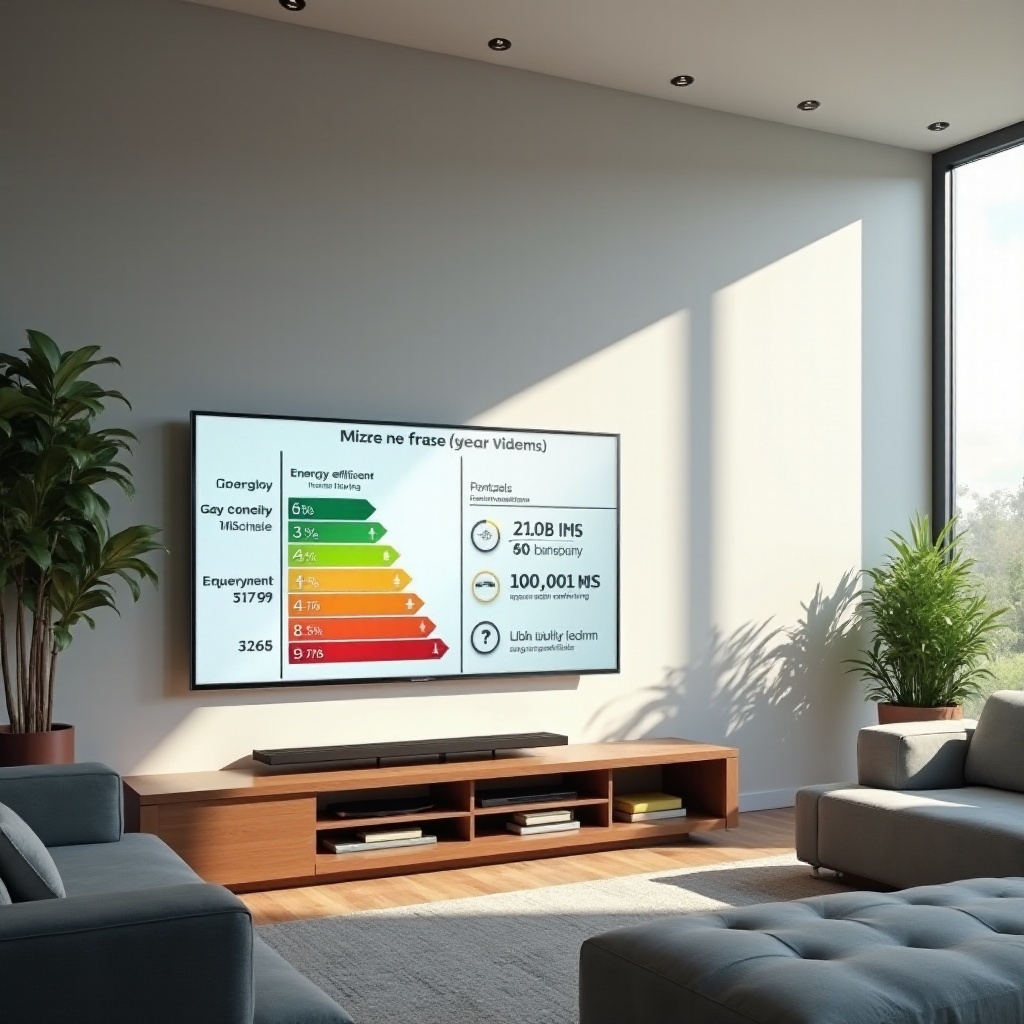
Smart TVs today use various forms of technology to manage power consumption effectively. Energy labels and certifications are crucial identifiers, with ENERGY STAR being one of the most well-known. These labels provide clear insights into a TV’s yearly energy consumption under normal usage.
The type of display technology significantly influences energy efficiency. LEDs are typically more efficient compared to OLEDs, which though superior in picture quality, often consume more power. QLEDs, an advanced form of LEDs, offer a middle ground, presenting good picture quality without dramatic energy use. Grasping these distinctions is essential for making a smart purchase decision.
Top 5 Most Energy Efficient Smart TVs of 2024
1. Samsung Model XYZ: Leading the Charge in Energy Efficiency
Samsung’s XYZ model is a frontrunner in energy-saving technology, featuring an advanced LED display. Its smart sensors adjust screen brightness based on room lighting, cutting down energy consumption without sacrificing quality.
2. LG Model ABC: Best Budget-Friendly Choice
If affordability and efficiency are your primary concerns, LG’s ABC model is an excellent choice. It incorporates an intuitive energy-saving mode and streamlined design, balancing cost and performance.
3. Sony Model 123: Best for Picture Quality
Sony’s Model 123 offers superb image quality alongside energy efficiency, thanks to its intelligent processor with energy-optimization features. Great for those unwilling to compromise on visual quality.
4. TCL Model QRS: Superior Mid-Range Energy Savings
TCL’s QRS series outperforms in the mid-range category with its innovative panel technology, which reduces power usage. Complemented by adaptive picture settings, this model is both efficient and reliable.
5. Hisense Model DEF: Innovating Energy Solutions
Hisense’s DEF model is brimming with energy-efficient features, including a power-saving chip and advanced display technology. It also offers user-friendly settings for personalizing energy consumption.
Factors to Consider When Choosing an Energy Efficient Smart TV
Picking the right TV involves more than looking at energy labels. Critical considerations include:
– Screen Size: Larger TVs use more power; finding a size that matches your space needs without excess energy use is crucial.
– Resolution: Higher resolution such as 4K or 8K delivers better visuals but increases energy usage. Assess whether a lower resolution could appropriate for your needs.
– Smart Features: While enhancing the user experience, these features may raise power consumption. Prioritize features that deliver genuine value and are consistently utilized.
– Energy Certifications: ENERGY STAR ratings and similar certifications can assure you that you’re investing in an energy-conscious model.
Tips to Maximize Energy Savings at Home with Your Smart TV
To extract the utmost energy efficiency from your smart TV, consider these practical tips:
1. Adjust the brightness levels to save energy and extend screen life.
2. Utilize power-saving modes designed to significantly cut power consumption automatically.
3. Turn off the TV rather than leaving it in standby mode to save energy over time.
4. Adjust standby settings to reduce energy use even when the device is not in active use.
5. Integrate the TV into a smart home setup to control its power usage more efficiently.
These measures, when combined with energy-efficient smart TV technology, can lead to substantial reductions in energy consumption, underscoring the importance of conscious energy management.
Conclusion
An energy-efficient smart TV is an investment in both your financial savings and the environment. The models highlighted in this guide represent the leading contenders in 2024, combining advanced technology with energy-conscious design. Balancing factors such as screen size, resolution, smart features, and energy certifications will help you make the right purchase. By pairing savvy buying decisions with judicious usage practices, you can enjoy premium viewing experiences without excessive energy costs.
Frequently Asked Questions
What is the average energy consumption of a smart TV?
The average smart TV usually consumes between 30 to 50 watts, but this varies based on size and features.
How does screen size impact energy efficiency?
Larger screens generally use more energy due to their increased surface area and brightness requirements.
Do smart TV features affect energy usage?
Yes, additional smart features can increase a TV’s energy consumption, especially if they operate continuously in the background.