
Power is an essential part of our daily lives, and understanding the basic units that describe it—watts, volts, and amps—can empower you to make smarter decisions regarding electricity use. These units help us grasp how much energy devices consume and how efficiently they operate, especially when comparing ampere vs watts vs volts in real-world applications. But can you convert between them, and if so, how? This question is crucial for anyone looking to optimize their power consumption, set up solar panels, or choose the right generator for their needs. In this blog, we will unravel the relationships between watts, volts, and amps, explore how they can be converted, and illustrate their practical applications with real-life examples. Whether you’re a homeowner, DIY enthusiast, or just curious, gaining a solid understanding of these concepts will assist you in managing your energy needs more effectively.
Understanding Watts, Volts, and Amps Basics
What Are Volts and What Do They Measure?
Volts are the unit of measurement for electric potential, often referred to as voltage. Simply put, voltage measures the potential energy per unit charge. It tells us how much “push” electrons have as they move through a conductor. Imagine a river—the voltage is akin to the river’s gradient or slope, determining how fast the water (or electrons in our case) flows.In a practical sense, volts indicate the pressure from a power source that pushes charged electrons through a conducting loop, allowing them to perform work, such as lighting a bulb. Without sufficient voltage, even the most robust circuit will fail to power a device. Traditional household power outlets in the United States typically provide about 120 volts, whereas many countries use 230 volts. Understanding volts is crucial because it directly influences the design and compatibility of electrical devices worldwide.
What Are Amps and Why Current Matters
Amps, short for amperes, measure the flow of electric current. It represents the number of electrons passing a point in a circuit per second. Current is akin to the volume of water flowing through a pipe; more amps mean more electrons flowing through the circuit. The amount of current directly influences how much electricity a device or circuit can carry before it overheats or becomes damaged.Understanding amperage is particularly vital when it comes to safety. Circuit breakers and fuses, for instance, protect circuits by breaking the flow of current if it gets too high, preventing potential fire hazards. As such, devices and circuits are rated for a maximum amount of current that they can safely handle, measured in amps. Knowing the amp rating of appliances helps ensure they are connected to appropriate outlets and circuits, avoiding overloading. Hence, amperage plays a crucial role in both the functionality and safety of electrical systems.
How to Convert Between Watts, Volts, and Amps
The Core Formula: Watts = Volts × Amps (Based on Anker SOLIX Guide)
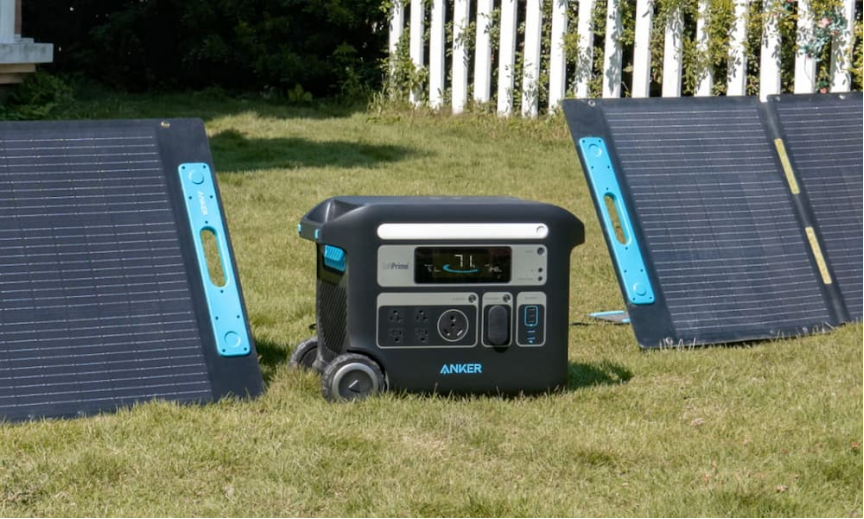
The relationship between watts, volts, and amps is evident in the formula: Watts = Volts × Amps. This key equation forms the cornerstone of understanding electrical power. Watts represent the rate of energy transfer used by an appliance or system. Using this formula, you can calculate any of the units, provided you know the other two.For instance, if you want to find out how many watts a device uses, simply multiply the voltage by the current (amps). This fundamental principle not only applies to household electronics but also larger systems like solar panels or generators. Knowing that a 10-amp device at 120 volts consumes 1,200 watts is crucial when planning your energy needs and ensuring devices function properly without tripping circuits or causing damage.The Anker SOLIX Power Station, for example, uses this formula to specify the capacity and output of their units. By illustrating how watts, volts, and amps interconnect, Anker helps users determine the power requirements and capabilities of their power stations, ensuring optimal usage and efficiency in different settings, from home use to outdoor adventures.
Real-Life Conversion Examples for Home and Outdoor Power Use
Understanding the conversion between watts, volts, and amps has significant practical applications. Consider a common home appliance, such as a refrigerator, which typically lists power ratings in watts. If your refrigerator operates at 120 volts and is rated at 600 watts, you can rearrange the formula to calculate the amps: Amps = Watts ÷ Volts. Here, it would draw 5 amps (600 watts ÷ 120 volts = 5 amps).For the outdoors, imagine using the Anker SOLIX Power Station to charge a device requiring 300 watts running at 12 volts. Knowing the amps needed can help ensure the generator or battery bank can support the device’s power pull. Using the formula in reverse (Amps = Watts ÷ Volts), you find the device requires 25 amps.These examples underline the importance of applying the formula correctly to match power sources with their consumption needs. Understanding these relationships not only helps in maximizing efficiency but also prevents overloading systems, ensuring safety and longevity for both appliances and power sources.
Practical Use Cases and Common Mistakes to Avoid
Using Conversions for Appliances, Solar Panels, and Power Stations (Including Anker SOLIX Power Stations)
Converting between watts, volts, and amps is essential across various applications, from household appliances to large-scale energy systems like solar panels and power stations. For appliances, knowing their power rating helps allocate the right power outlets and avoid exceeding circuit capacities. If you’re using solar panels, these conversions inform how many panels are needed to meet home energy requirements. A solar panel rated at 250 watts with an output of 18 volts operates at roughly 13.9 amps. These insights guide efficient setup and energy conversion.With power stations like Anker SOLIX, understanding interface specifications ensures you utilize their full potential. SOLIX devices often display capacities in watt-hours, indicating the total energy stored. If a device requires a 60-watt input, and the SOLIX station is rated at 500 watt-hours, the duration for device operation can be roughly calculated, allowing efficient energy storage management.
Common Conversion Errors and How to Avoid Them
Mistakes in converting watts, volts, and amps often stem from misunderstandings of basic concepts or formula misapplications. One frequent error is mismatching units, like assuming volts and amps can be added when converting power ratings. Another common mistake is overlooking the distinction between AC and DC when applying formulas, as conversion constants differ based on the current type.To avoid such mishaps, always check the appliance label for specifications and confirm whether calculations require AC or DC values. Additionally, double-check that measured units correspond to one another. When using converters or external power sources, ensure ratings align with appliance requirements, preventing damage or inefficiency.Understanding and applying the watts = volts × amps formula accurately ensures devices and power sources are well-matched, enhancing both safety and performance across electrical systems.

Conclusion
Grasping the basic relationships between watts, volts, and amps empowers you to optimize energy use effectively. By utilizing the core formula Watts = Volts × Amps, you can make informed decisions about your household appliances, solar installations, and portable power solutions like the Anker SOLIX Power Stations. Real-world examples illustrate how these conversions help in daily contexts and prevent common pitfalls.Whether configuring a home circuit or setting up off-grid systems, a solid understanding of these concepts enhances operational efficiencies and safety, avoiding costly mistakes or inefficient setups. So next time you face an electrical challenge, remember this formula as your handy guide, ensuring your systems run smoothly and efficiently. This knowledge not only serves household needs but also boosts confidence in energy management and sustainable practices, preparing you for an informed journey into the future of power utilization.