Camping trips can be a lot of fun, but they often come with a major challenge: keeping devices powered when you’re far from the grid. Camping solar panels offer a reliable way to charge phones, lights, portable fridges, and other essentials while enjoying the outdoors. Choosing the right solar panel is more than just picking one with the highest wattage. You need to consider efficiency, portability, durability, and the types of devices you plan to power. Many campers struggle with finding a panel that balances power output with convenience. Some panels are lightweight and foldable for easy transport, while others are heavy but deliver higher energy. Environmental factors, such as sun exposure, weather conditions, and terrain, also play a role in how well a solar panel performs. This guide breaks down the key features that matter most in camping solar panels. Understanding these factors will help you make an informed decision so you can enjoy a worry-free outdoor adventure.
What Are the Key Features to Look For?
Power Output & Efficiency
The first feature to consider is power output, measured in watts. A higher wattage panel can charge devices faster and handle more energy-hungry gadgets. Efficiency is equally important because not all panels convert sunlight into electricity at the same rate. Monocrystalline panels tend to be more efficient and perform better in low-light conditions. Efficiency affects how quickly your panel charges devices, especially on cloudy days or during shorter daylight hours. For campers who rely on devices like portable fridges, cameras, or GPS units, efficiency can be the difference between fully charged batteries and empty ones. When comparing options, look at the real-world output rather than just the rated wattage. Reviews and tests can give insight into how a panel performs under actual conditions.
Portability: Weight, Size & Design
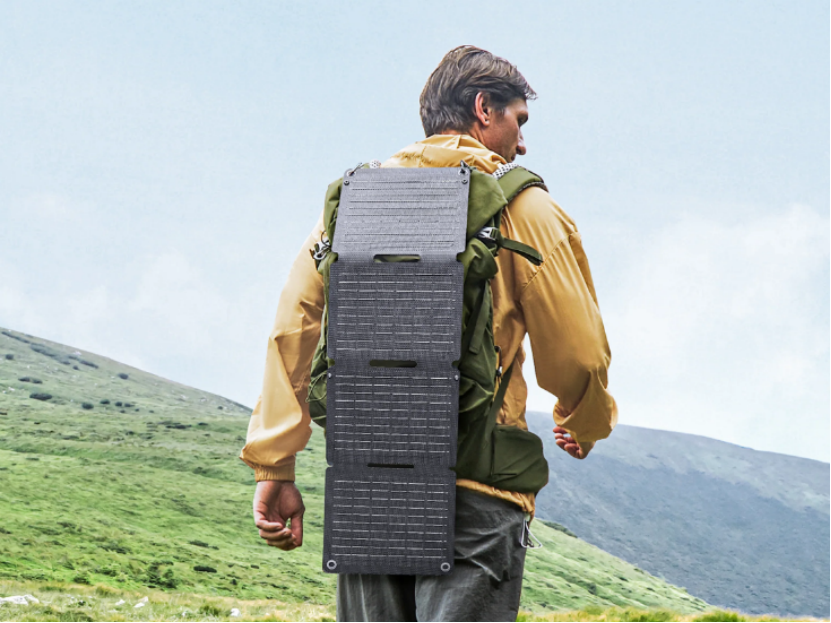
Portability is crucial if you plan to carry your solar panels over long distances. Foldable or compact designs are ideal for backpackers, while heavier rigid panels may work better for car or RV camping. Consider the weight, size, and overall design. A panel that is easy to carry, set up, and pack away will make your trip smoother. Many panels include carrying cases or foldable sections for transport. The simpler it is to set up, the more you can focus on enjoying your outdoor activities rather than struggling with equipment. Lightweight panels are easier to attach to backpacks or tents and reduce overall travel burden, which is essential for multi-day hikes.
Durability & Weather Resistance
Camping often exposes solar panels to harsh conditions, including rain, dust, wind, and rough surfaces. Durable construction and weather-resistant features are essential for long-term use. Look for panels made with sturdy materials, reinforced corners, and protective coatings. Waterproof or water-resistant designs can prevent damage from rain or accidental spills. Panels with higher IP ratings withstand dust and moisture better, making them suitable for rugged outdoor environments. Durability also extends to how well the panels handle repeated folding, transport, and storage. Investing in a durable camping solar panel ensures consistent performance and reduces the risk of equipment failure during critical moments.
How Do You Choose the Right Solar Panel for Your Camping Style?
Short Trips vs Long Overnight Camping
The type of camping trip determines the features you need in a solar panel. For short day trips, smaller panels with lower wattage may suffice. These panels are easy to carry and quick to deploy, providing enough energy for essential devices like phones and flashlights. Long overnight camping or multi-day trips require higher capacity panels with better efficiency. You will likely need to charge larger devices, power lighting for extended periods, or keep equipment running continuously. Panels with higher wattage and multiple output ports ensure you have enough energy to cover all your needs.
Backpacking vs Car or RV Camping
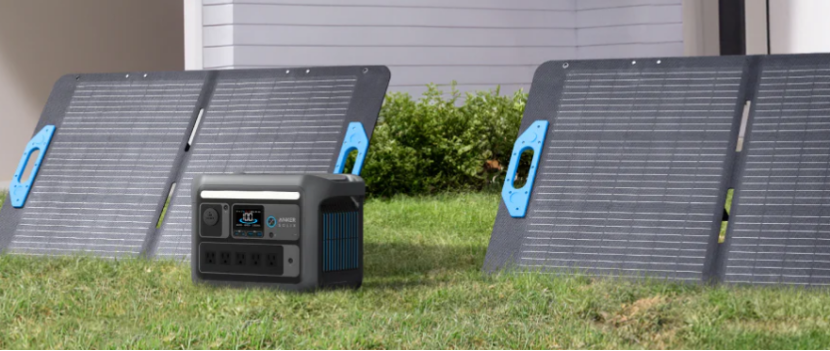
Backpackers should prioritize lightweight, foldable solar panels that are easy to carry over rough terrain. Minimal setup time is key, as campers may not spend hours arranging equipment. Car or RV campers have more flexibility to use larger, rigid panels that offer higher power output. These panels can remain stationary, connected to portable power stations or battery packs. The choice depends on balancing portability, power requirements, and convenience for your specific camping style. Understanding your typical camping routine helps narrow down the features that matter most in camping solar panels.
What Accessories & Extras Improve Your Solar Setup?
Charge Controllers & Cables
Charge controllers regulate the energy flow from your solar panel to connected devices, preventing overcharging or damage. MPPT controllers are more efficient than PWM models, especially in variable sunlight conditions. Make sure your panel includes appropriate cables and connectors for your devices. Having the right accessories ensures your panel works safely and efficiently. Improper cables or lack of controllers can reduce performance and even damage batteries or devices. Consider panels that come with built-in controllers or offer compatible options.
Mounting, Kickstands & Port Types
Mounting options, such as kickstands or adjustable stands, help position panels toward the sun for maximum efficiency. Portable solar panels often include multiple ports, including USB-A, USB-C, and DC outputs. Multiple port options allow you to charge several devices at once. A stable, adjustable setup ensures your panel captures sunlight consistently, which is especially useful during long camping days. Combining efficient mounting with versatile ports improves usability and overall performance.
Common Mistakes to Avoid When Buying Camping Solar Panels
Overlooking Real-World Output & Reviews
One common mistake is focusing solely on rated wattage. Real-world performance often differs due to sun angle, weather, or panel efficiency. Reading reviews and test results helps you understand what to expect during actual camping trips. Ignoring real-world performance can leave you underpowered in critical situations. Ensure you check multiple sources and user experiences to confirm your panel meets your expectations.
Ignoring Warranty & Build Quality
Another mistake is overlooking durability and warranty coverage. Cheaper panels may seem cost-effective, but they often fail faster due to poor materials or design. Panels with longer warranties provide peace of mind and demonstrate manufacturer confidence in their product. Checking build quality ensures your panel withstands outdoor conditions. Durable construction protects your investment, especially when exposed to rain, dust, or frequent transport.
Conclusion
Camping solar panels are a must-have for modern outdoor adventures. Choosing the right panel requires understanding power output, efficiency, portability, and durability. Match your panel to your camping style, whether it’s a short day trip, multi-day hike, or car camping. Consider essential accessories like charge controllers, mounting options, and multiple output ports to maximize usability. Avoid common mistakes by checking real-world performance, reading reviews, and confirming build quality and warranty coverage. A well-chosen panel keeps your devices powered reliably and enhances your outdoor experience. With the right knowledge, you can select a camping solar panel that fits your energy needs and travel style. By focusing on these features, you ensure a seamless, enjoyable, and well-powered camping trip, no matter where your adventures take you.