Introduction
Cutting the cord has become increasingly popular as individuals seek alternatives to expensive cable subscriptions. Using a TV antenna is one of the most effective ways to access local channels without cable. This guide aims to help you understand how antennas work, what features to consider, and which models are top picks for 2024. Whether you live in a city or rural area, this article will help you find the right antenna to suit your needs and ensure you never miss your favorite shows.
Understanding TV Antennas
TV antennas play a crucial role in capturing free over-the-air broadcasts from local stations. By installing an antenna, you can enjoy access to live TV, including news, sports, and entertainment channels, without the monthly costs associated with cable packages.
How Antennas Work
Antennas pick up electromagnetic signals transmitted from broadcast towers. These signals, known as radio frequency signals, carry the audio and video content directly to your television. Understanding this process helps in recognizing why choosing the right type of antenna is important for channel reception.
Indoor vs. Outdoor Antennas
Choosing between an indoor and outdoor antenna depends largely on your location and surroundings. Indoor antennas are ideal for urban areas with strong signal reception due to the proximity of broadcast towers. They are compact, easy to install, and blend well with home decor. Conversely, outdoor antennas offer a greater range and are suited for suburban or rural areas where broadcast towers might be further away. Installation may require more effort, but the enhanced signal strength and quality often justify the setup.
Key Features to Consider When Choosing an Antenna
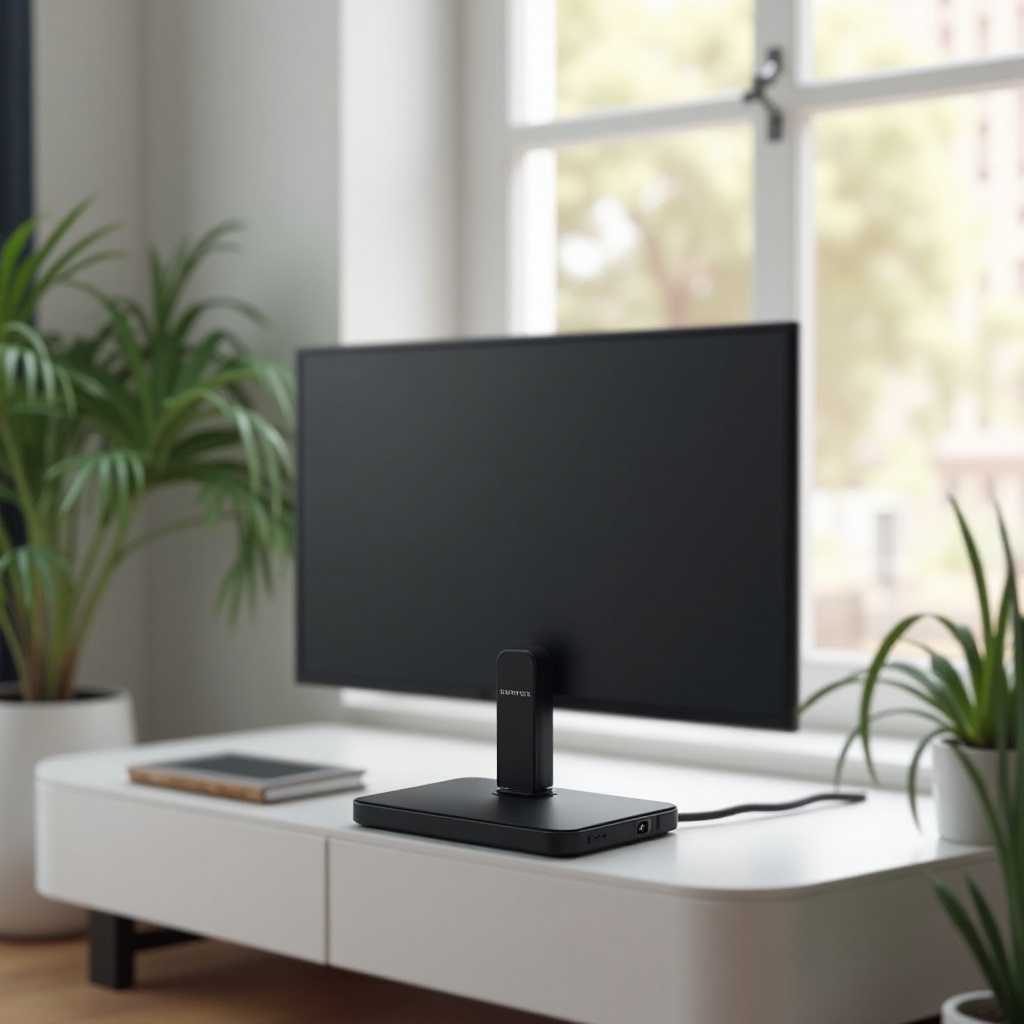
Once you’ have decided on an indoor or outdoor model, it’s essential to look into specific features to ensure you get the best performance. These features will guide you in selecting the most suitable antenna for your needs.
Signal Range and Terrain
The signal range indicates how far an antenna can effectively pick up broadcasts. While some antennas can capture signals up to 50 miles away, others are limited to shorter distances. Local terrain plays a crucial role; mountains, buildings, and trees can obstruct signals. Consider an outdoor model or one with a high-gain if you live in an area with challenging terrain.
VHF and UHF Compatibility
Most channels broadcast on either VHF or UHF frequencies. Ensure your chosen antenna supports both frequencies to maximize channel availability. Some antennas highlight their VHF/UHF capabilities, which can help you make a more informed decision.
Amplified vs. Non-Amplified Antennas
Amplified antennas come with a signal booster to enhance weak signals, offering a clearer picture even from farther away. Non-amplified antennas rely solely on their design and placement for signal reception. An amplified model is often recommended if you live in a remote area or experience regular signal interference.
Top Antennas for Local Channels in 2024
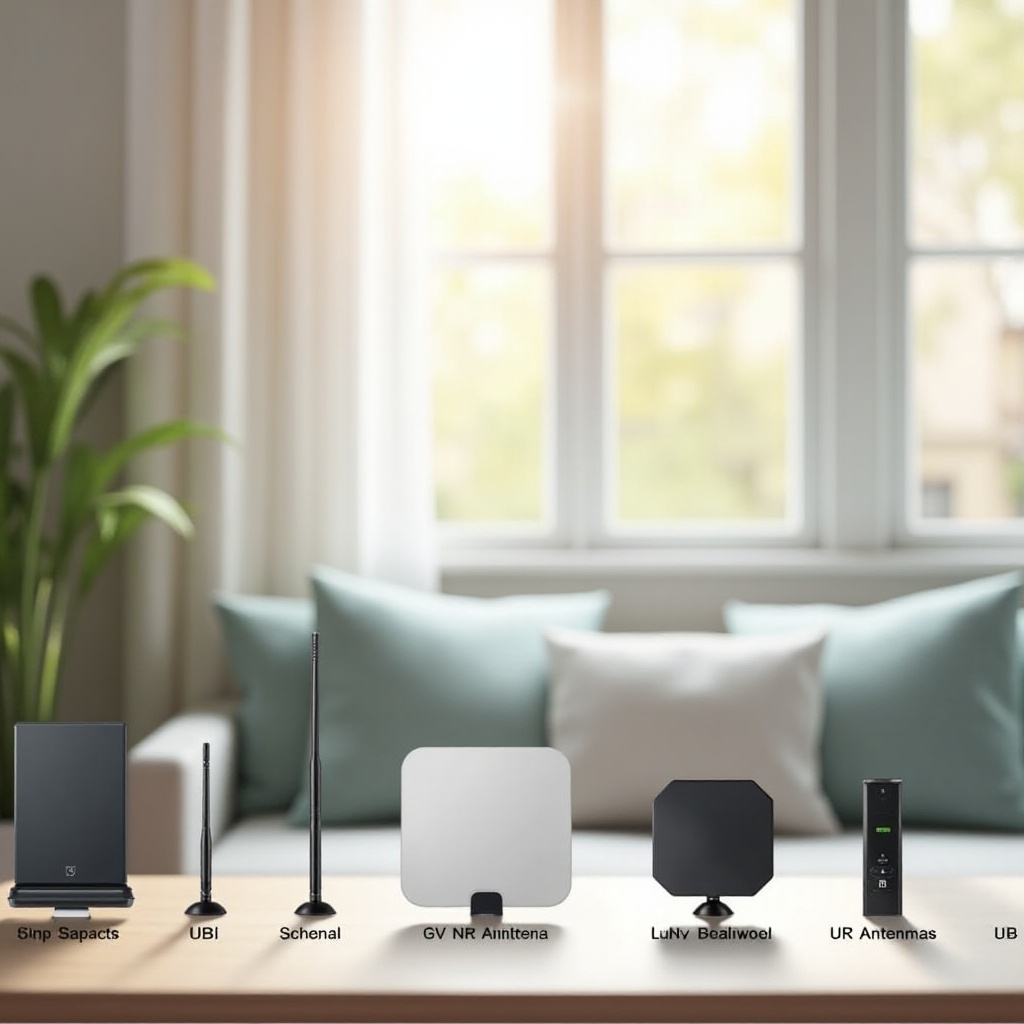
With numerous antennas on the market, selecting the right one can be daunting. We have identified some of the top models of 2024 to help you make an informed choice.
Top-Rated Indoor Antennas
Indoor antennas are perfect for easy setup and seamless integration into your living space. Some top-rated indoor antennas include the Mohu Leaf and Antennas Direct ClearStream Eclipse. Both offer excellent reception within 40 miles of broadcast towers and feature a compact design that fits most homes.
Recommended Outdoor Antennas
For those requiring a bit more range and strength, outdoor antennas like the Winegard Elite 7550 and the RCA Yagi stand out. These models cover distances of up to 70 miles, providing robust signal reception and clarity, especially in areas with signal obstacles.
Budget-Friendly Picks
Affordability doesn’t mean compromising on quality. The GE UltraPro and 1byone Indoor Antenna are cost-effective options that deliver impressive performance within a reasonable range. These antennas offer a good balance of cost and functionality, making them ideal for budget-conscious buyers.
Installation and Setup Guide
After choosing the right antenna, the next step is installing it properly to maximize its performance.
Steps for Installation
- Determine the best location for your antenna—near a window or on the roof for outdoor models.
- Attach and secure the antenna as per the product instructions.
- Connect the antenna to your television via the coaxial cable.
- Scan for available channels through your TV’s setup menu.
Positioning Tips for Best Reception
To optimize signal reception, aim the antenna toward the nearest broadcast towers. Use online resources or mobile apps to pinpoint tower locations. If using an indoor model, try different positions, such as moving it higher or positioning it in different rooms, and test each location for the best signal pickup.
Troubleshooting Common Issues
Even the best antennas may encounter problems that affect performance.
Poor Signal Reception
If you experience poor reception, try repositioning your antenna or consider an amplified model. Also, ensure all connections are secure, and if using an outdoor antenna, check that it isn’t blocked by debris or foliage.
Interference Problems
Interference from electronic devices like microwaves or Wi-Fi routers can impact antenna performance. Reduce interference by placing the antenna away from such devices. If interference persists, consider upgrading to an antenna with better shielding properties.
Conclusion
Selecting the right antenna can greatly enhance your local channel viewing experience while freeing you from costly cable bills. By understanding how antennas function and what features to look for, you’re well-equipped to make the best decision. Whether you choose an indoor or outdoor model, this investment will enable you to enjoy high-quality broadcasts without ongoing expenses.
Frequently Asked Questions
What is the best type of antenna for urban areas?
For urban areas with strong, clear signals, an indoor antenna is usually sufficient. Compact and easy to set up, models like the Mohu Leaf should perform well.
How do I know which channels are available in my area?
Use online tools and websites like antennaweb.org to enter your location and discover available channels, along with recommendations for suitable antennas.
Can weather conditions affect antenna performance?
Yes, severe weather, such as storms or heavy rain, may temporarily affect signal quality. Ensure your antenna is securely mounted and properly weatherproofed to minimize disruptions.